







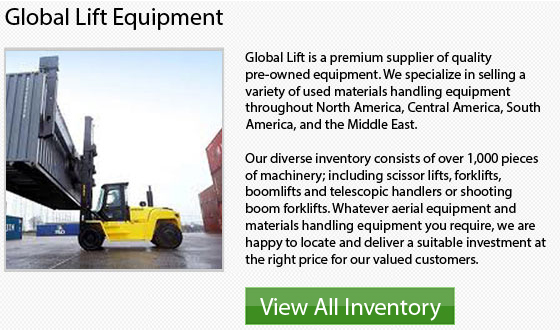
Types of forklifts:
Selecting amongst internal combustion, electric or hybrid is a main consideration when purchasing a forklift. Each and every technology has its advantages and disadvantages. It is very essential to be able to differentiate one type of forklift from another and to select the best kind for the application. The following information could help you to choose the forklift that best fits all your requirements.
The long-term cost savings is a key benefit of using electric forklifts. The first outlay to buy spare batteries can seem pricey, but you actually save some money by not having to buy fuel and bring it to the work location. If you utilize some type of alternative energy source, like solar panels or windmills, you can save even more money.
The changing out the batteries and downtime for charging the lift are amongst the downsides of utilizing electric forklifts. This technology continues to get better as new methods of using electric technology advances.
Variations on Forklifts:
Stand-up rider forklifts - These electric-powered forklifts have counterbalance weights built into the body and are made so that the driver rides within the body of the truck.
Stand-up, narrow aisle rider - The type normally utilized for areas with tight spaces. Instead of having counterweight in its body, this electric forklift is made with straddle legs on each side to be able to provide stability.
Sit-down rider - The counterbalance is located at the rear of this sit-down rider.
Motorized hand-pallet jacks - It is a low-lift truck that has forks and is designed so that the operator can stand on the rear. Other versions are designed to be walked.
Reach forklift - Used for long reach, this kind of forklift has a boom. The forklift is designed to be stable on uneven surfaces by having the outriggers at the front.